Mold Inspection and Mold Testing in Baltimore
A mold inspection finds where mold is growing and what's feeding it. Mold testing adds lab samples, and it's useful less often than people think. If you smell mold but can't find it, call (855) 671-3261 to talk with an independent provider who serves your part of Baltimore.
Call (855) 671-3261Free call. You'll be connected with an independent local mold removal provider. Calls answered 24/7.
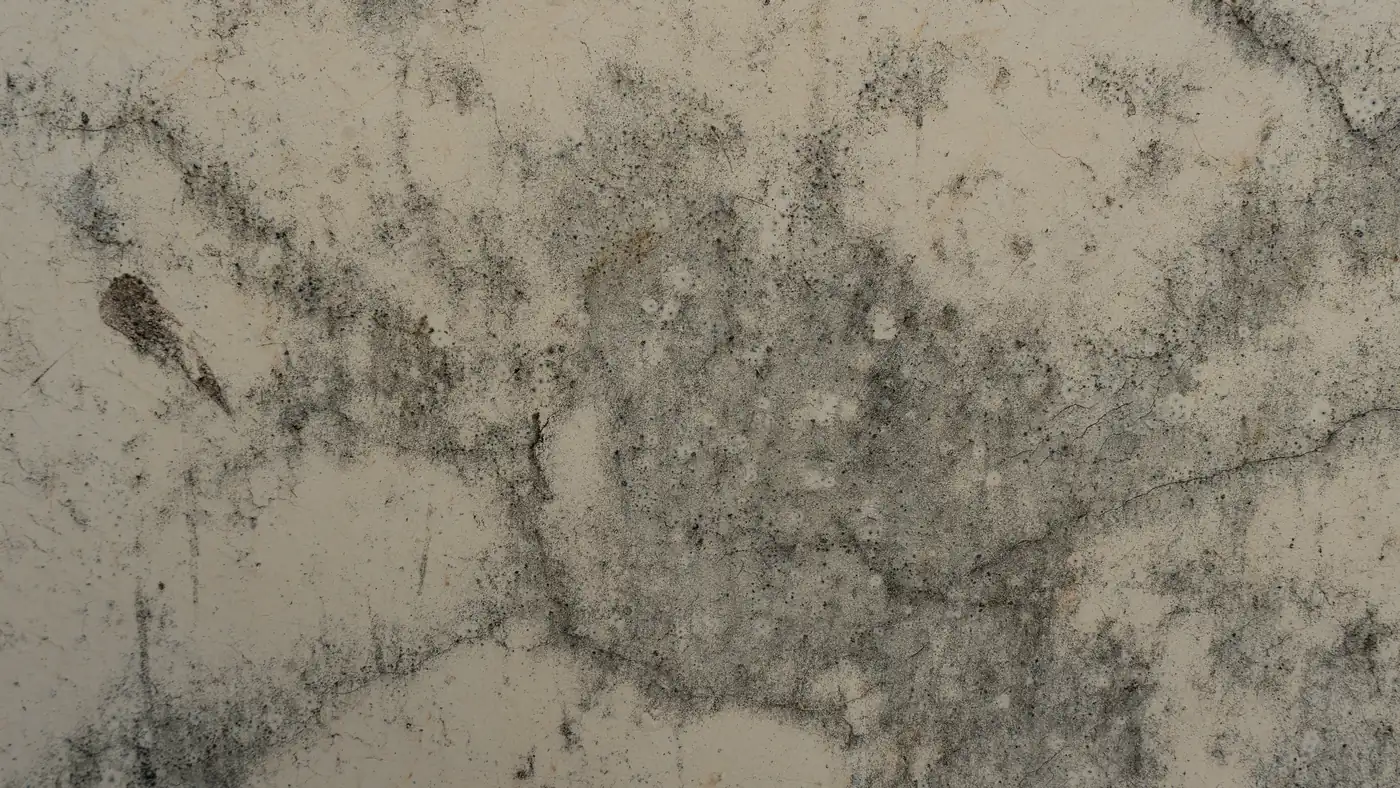
When a mold inspection makes sense
- A musty smell with no mold you can see
- Water damage, a past leak or a flood, and you're not sure everything dried
- Stains, bubbling paint or soft drywall that might hide mold
- Mold that keeps coming back after cleaning
- Buying, selling or renting out a home and you want conditions documented
- Checking that a cleanup worked after mold remediation
If you can already see the mold, you often don't need an inspection to know it's there. What you need is the moisture source found and the mold removed. See mold remediation.
What a mold inspection covers
A good mold inspection is mostly about finding moisture. Expect the inspector to:
- Ask about leaks, floods, smells and any symptoms
- Look through the home, including the basement, attic, crawl space and HVAC system
- Use a moisture meter, and sometimes a thermal camera, to find wet areas behind walls and under floors
- Take samples only when there's a specific reason
- Explain where the moisture is coming from and what should happen next, ideally in a written report
When mold testing is worth it
The EPA says sampling is usually unnecessary when mold is visible, and there are no EPA or other federal limits for mold or mold spores. The CDC doesn't recommend routine mold testing either, and notes there are no set standards for acceptable amounts of mold. Testing can still help when:
- You suspect hidden mold and the inspection can't find it
- You need documentation for a sale, a landlord or an insurance claim
- You want surface samples to check that remediation worked
If air samples are taken, results inside should be compared with an outdoor sample taken at the same time. The CDC also says you don't need to know the type of mold to clean it up.
Mold inspection vs. home test kits
Open-dish kits from the hardware store almost always grow something, because mold spores are in nearly all indoor and outdoor air. A positive result doesn't mean you have a mold problem, and a kit can't tell you where moisture is coming from. See how to test for mold in your house for a full comparison.
Questions to ask an inspector
- Will you look for the moisture source, not just collect samples?
- How many samples are included in the price, and why are they needed?
- Which lab will analyze the samples?
- Will I get a written report?
- Do you also do removal? Some homeowners prefer testing from a company that won't do the removal.
Common questions
Do I need a mold inspection if I can see mold?
Often not. The EPA says sampling is usually unnecessary when mold is visible. A provider still needs to find the moisture source before removal.
What's the difference between mold inspection and mold testing?
An inspection is a visual check plus moisture readings to find mold and its cause. Testing means collecting air or surface samples for a lab. Many inspections include little or no sampling.
How much does a mold inspection cost?
It depends on the home's size, how many samples are taken and the tools used. Ask what's included before booking.
Is there a safe level of mold?
There are no EPA or other federal limits for mold or mold spores, and the CDC notes there are no set standards for acceptable amounts. That's why testing alone can't tell you if a home is safe.
Talk to a mold inspection provider
Tell the provider where you found the mold, how large it looks, and whether there was a leak or flood. They can explain next steps and pricing for your home.
Call (855) 671-3261Free call. Answered 24/7.