Black Mold Removal in Baltimore
Black mold usually means something stayed wet for a long time. Small spots on hard surfaces can be cleaned; mold in drywall, wood or carpet usually has to be cut out. For a large or hidden problem, call (855) 671-3261 to talk with an independent black mold removal provider who serves Baltimore.
Call (855) 671-3261Free call. You'll be connected with an independent local mold removal provider. Calls answered 24/7.
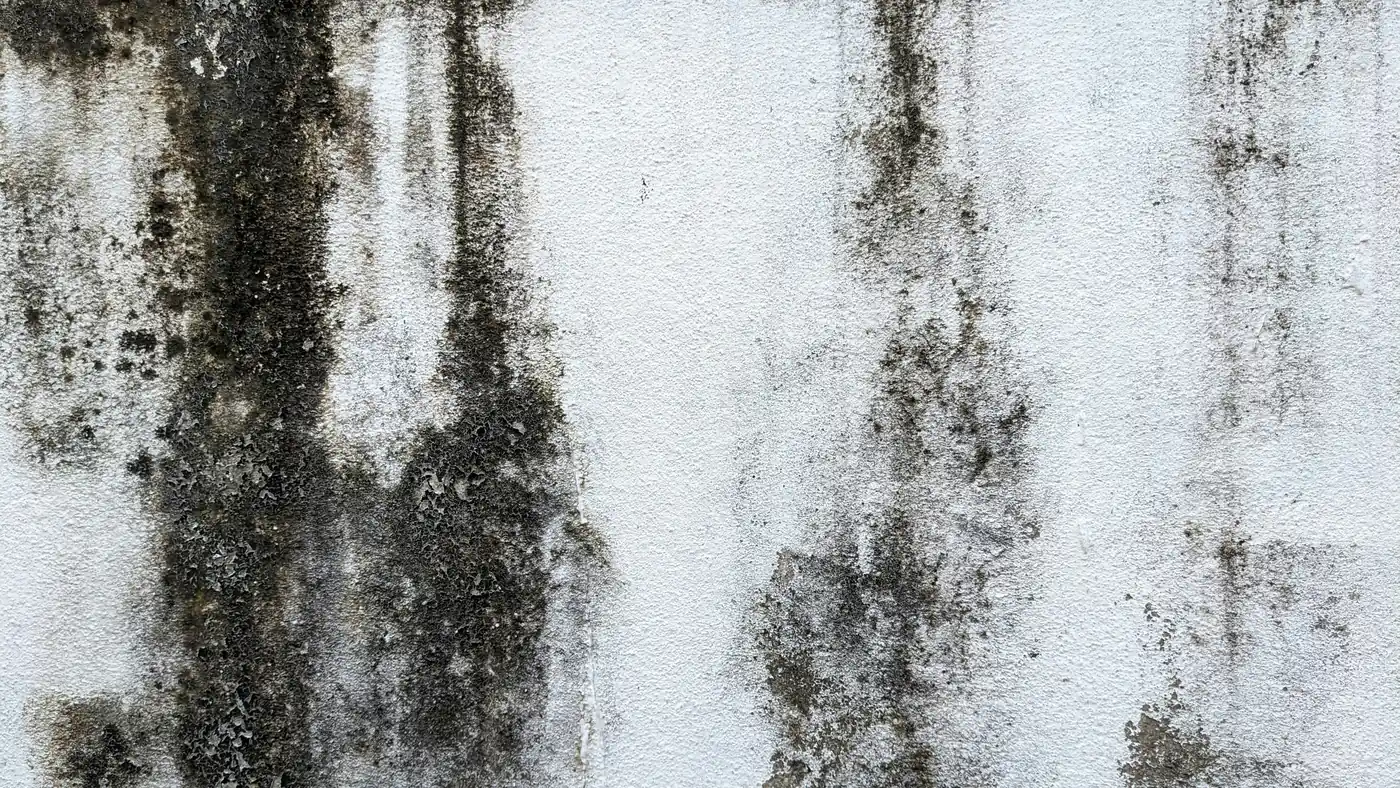
What black mold is
"Black mold" usually refers to Stachybotrys chartarum, a greenish-black mold the CDC notes is sometimes called black mold. It grows on materials with a lot of cellulose, like the paper facing on drywall, wood and ceiling tiles, when they stay wet for a long time. Many other common indoor molds, including Cladosporium, can also look black or dark green. You can't tell which mold you have by looking. See what black mold looks like.
Is black mold more dangerous?
The CDC's guidance doesn't treat black mold differently from other mold. It says you don't need to know the type of mold: any mold you see or smell should be removed. Mold can cause stuffy nose, wheezing, coughing and eye or skin irritation in sensitive people, and people with asthma, allergies, weakened immune systems or chronic lung disease are at higher risk. If you have symptoms, talk with a doctor.
Small spots: black mold removal yourself
If it covers less than about 10 square feet on a hard surface, the EPA says it's usually a DIY job:
- Fix the leak or moisture problem first.
- Wear an N-95 respirator, gloves and goggles, and ventilate the room.
- Scrub with detergent and water, then dry the surface completely.
- Bag and throw away moldy porous items like cardboard and ceiling tiles.
- Don't paint or caulk over mold.
If you use bleach, the CDC says to use no more than 1 cup of household bleach per gallon of water, and never mix it with ammonia or other cleaners. See vinegar vs. bleach.
When to call for black mold removal
- It covers more than about 10 square feet
- It's growing in drywall, insulation, carpet or wood
- It's inside a wall, ceiling or HVAC system
- It followed a flood or sewer backup
- It keeps coming back after cleaning
What professional black mold removal involves
Professional black mold removal follows the same steps as any mold remediation: find and fix the moisture, contain the work area, cut out moldy porous materials, clean and HEPA-vacuum hard surfaces, and dry everything before rebuilding. Because black mold usually means long-term wetness, finding that water source is the most important part of the job. Common sources are leaks inside walls, damp basements and water damage that wasn't dried.
In Maryland, check that the company has an MHIC license for home improvement work and ask for proof of insurance.
Common questions
Can I remove black mold myself?
If it's on a hard surface and smaller than about 10 square feet, the EPA says it's usually a DIY job with proper protection. Larger areas or mold inside walls call for a professional.
Do I need to test black mold to know what it is?
No. The CDC says you don't need to know the type of mold to remove it, and the EPA says sampling is usually unnecessary when mold is visible.
Does bleach kill black mold?
Bleach can kill mold on hard surfaces, but it doesn't reach mold inside porous materials, and the EPA doesn't recommend it as a routine cleanup method. Dead mold still has to be removed.
How much does black mold removal cost?
The same as other mold remediation: national guides put the average around $2,300 to $2,400. Size, location and what has to be removed set the price. See mold remediation cost.
Talk to a black mold removal provider
Tell the provider where you found the mold, how large it looks, and whether there was a leak or flood. They can explain next steps and pricing for your home.
Call (855) 671-3261Free call. Answered 24/7.